Regain Speech, Movement, & Confidence Through the Power of Music

At Nate’s Space Music Therapy, I combine the transformative power of music with evidence-based practices to support healing, connection, and growth. Whether you’re seeking therapy, education, or a deeper connection to music, this is your space to explore, thrive, and achieve meaningful outcomes backed by science and care.
About Nate
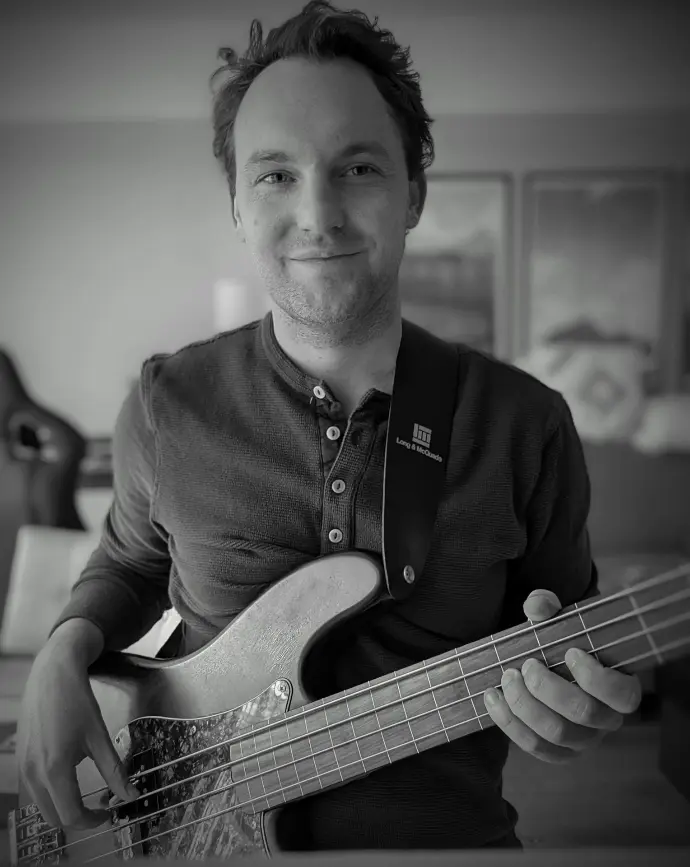
I’m Nathan (Nate) Garland, a Board-Certified Music Therapist (MT-BC) and Neurologic Music Therapist (NMT) with a passion for creating personalized, meaningful musical experiences in the Greater Toronto Area. With years of experience working with pediatric, adolescent, adult disability, and geriatric populations, I’ve seen firsthand how music can transform lives. My approach is client-centered, combining evidence-based practices with creativity and empathy to meet each individual’s unique needs.
I have a passion for blending music and science to support personal growth and well-being. I hold a Master of Music Therapy from the University of Melbourne in Australia, a Jazz Performance Certificate from Humber Polytechnic, and a Bachelor of Science in Psychology from Mount Allison University. My diverse academic and musical background, along with specialized training in neurologic music therapy, shapes my evidence-based, creative approach to therapy—ensuring personalized care for every client.
Music therapy is a research-based practice that uses music to support physical, emotional, cognitive, and social well-being. Guided by a certified music therapist, sessions may involve activities like playing instruments, singing, songwriting, or listening to music, all tailored to meet your individual goals. It’s a creative, evidence-based approach to healing and personal growth that can benefit people of all ages and abilities.
Canadian Association of Music Therapists Certification Board for Music Therapists
Neurologic Music Therapy (NMT) is a specialized, evidence-based branch of music therapy that focuses specifically on how music can be used to support brain function and neuro-rehabilitation. While music therapy as a field is broad and holistic—encompassing emotional, social, cognitive, and physical goals across diverse populations—NMT hones in on the neuroscience of music and its direct impact on the brain and nervous system.
The key distinction lies in how NMT uses standardized clinical techniques focused on three main domains: sensorimotor, cognitive, and speech/language functioning. For example, rhythm can be used to improve walking and coordination in people with Parkinson’s disease or after a stroke, while melodic intonation can support speech recovery in individuals with aphasia.
In contrast, traditional music therapy may use music more broadly to explore emotions, build relationships, or support quality of life through improvisation, songwriting, or receptive listening. These approaches are often more flexible and client-directed, whereas NMT tends to follow structured protocols with measurable outcomes and often works in tandem with other disciplines like physiotherapy, occupational therapy, and speech-language pathology.
Becoming a Neurologic Music Therapist requires additional intensive training beyond a degree in music therapy. Practitioners are certified by the Academy of Neurologic Music Therapy after completing coursework in neuroanatomy, clinical application, and music-brain mechanisms.
In short, all NMT is music therapy, but not all music therapy is NMT. NMT is particularly valuable in medical, neurorehabilitation, and developmental contexts where targeting brain-based functions is central to therapeutic goals.
Academy of Neurologic Music Therapy (NMT) World Federation for NeuroRehabilitation (WFNR)
Music therapy starts with a collaborative and personalized assessment. During this introductory assessment we discuss your needs, goals, and interests. From there, we design a tailored plan that evolves with your progress. Sessions may involve activities like playing instruments, singing, or rhythmic exercises, all chosen to align with your unique objectives. Regular check-ins ensure that your therapy stays focused and effective. Whether you're seeking emotional support, physical rehabilitation, or new ways to connect, music therapy provides a safe, creative space to explore and grow at your own pace.
- Aging Populations
- Dementia Defense is a group music therapy session designed for aging adults and their partners to promote cognitive health, emotional well-being, and meaningful connection. Participants engage in activities such as singing familiar songs, rhythm-based exercises, and improvisation to stimulate memory, enhance communication, and reduce stress. This supportive and interactive space fosters joy, connection, and resilience for both individuals and their loved ones/caretakers.
- Autism/Disability Togetherness
- Autism/Disability Togetherness is a group music therapy session tailored for individuals living with autism and/or disability. These sessions focus on fostering social skills, self-expression, and sensory integration through engaging musical activities such as drumming, songwriting, and interactive music-making. In a supportive and inclusive environment, participants are empowered to connect, communicate, and thrive while experiencing the joy and creativity of making music together.
- Neurologic Music Therapy
- Neurologic Music Therapy (NMT) is an evidence-based, individualized approach designed to support those with neurologic conditions such as traumatic brain injury, stroke, Parkinson’s disease, or multiple sclerosis. These sessions use music and rhythm to address goals like improving motor function, speech, and cognitive skills. Through techniques like rhythmic entrainment, melodic intonation, and therapeutic music exercises, clients experience meaningful progress in a supportive and empowering environment.